

- 2
- 3
- 4
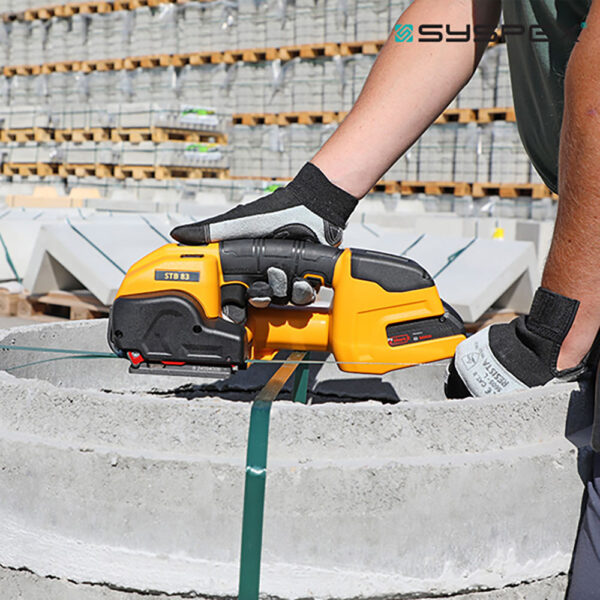

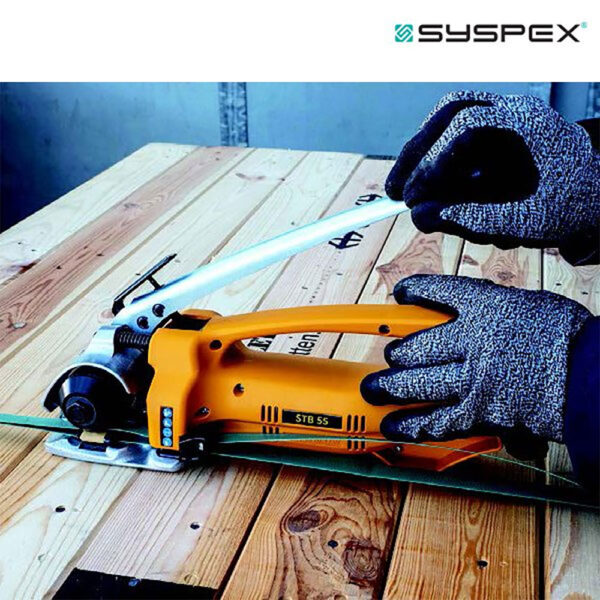




Strapping Machine Use Cases for Cartons, Bundles, and Pallet Loads
Tension-controlled strap holds a load in shape, prevents shifting in transit, and reduces rework from pack failures.
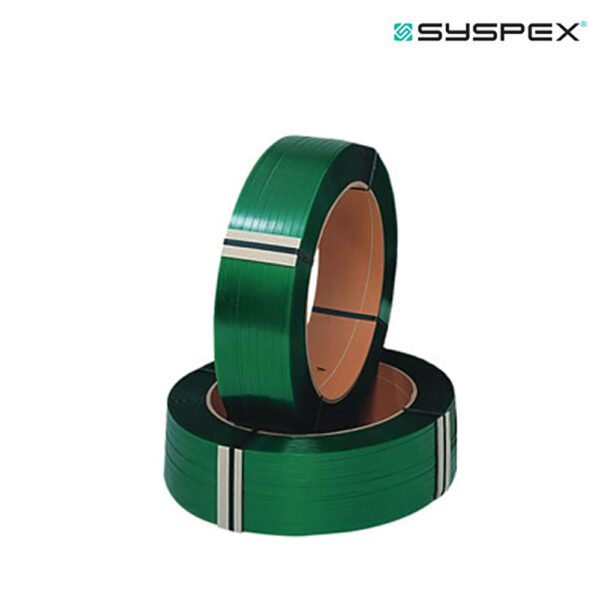
- PP strapping: lighter cartons, general-purpose bundles
- PET strapping: heavier pallets, industrial goods, dense loads needing tension recovery
- Reduces tension variation, operator time per unit, and shift-to-shift inconsistency
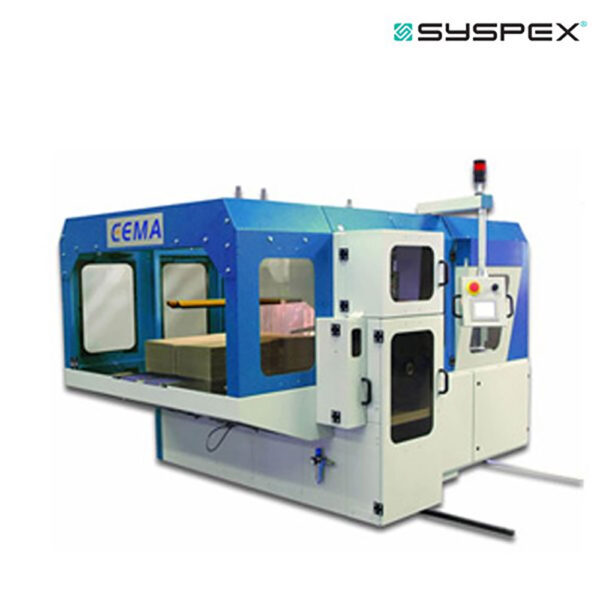
Compact semi-automatic machines suit space-constrained, variable-size lines; automatic suits higher-volume, consistent-dimension lines.
Semi-Automatic vs Automatic Strapping Machines: Which Fits Your Throughput
Semi-Automatic Is Suitable When …
- Daily strap volume is moderate and pack sizes vary
- Operation is still scaling, footprint is limited
- Model: Strapack iQ-400
Automatic Is Suitable When …
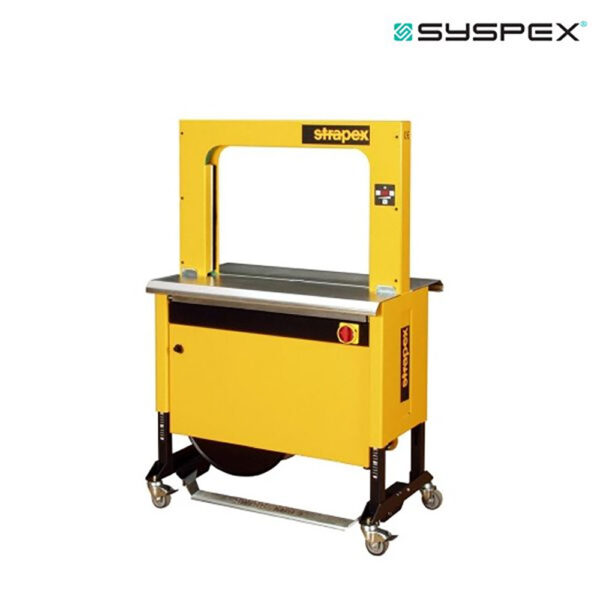
- Throughput is high with consistent pack dimensions
- Reducing labor cost per unit is a defined target, conveyor integration is feasible
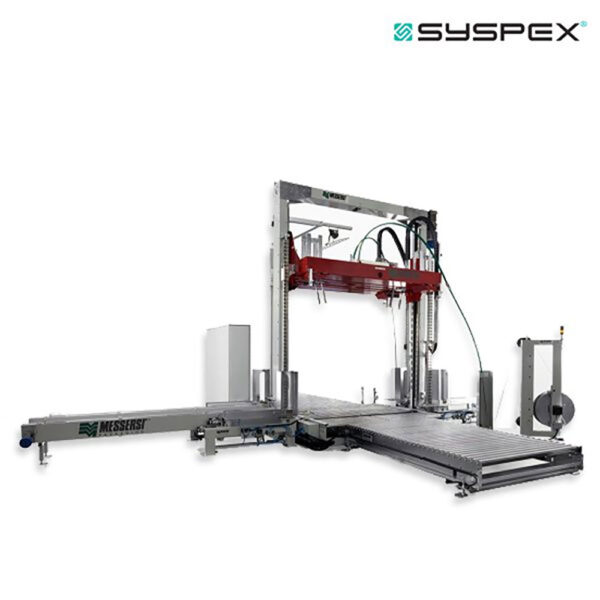
- Models: Strapack SQ-800 (general), Strapex SMG 10, Messersi PR99 (vertical)
Review conveyor compatibility, feed alignment, floor space, and planned growth before committing. Avoids early replacement as volume increases.
How to Choose the Right Strapping Solutions Provider
- Load profile, throughput, floor layout, and strap type assessed before recommendation
- Local technical support response time and spare parts availability
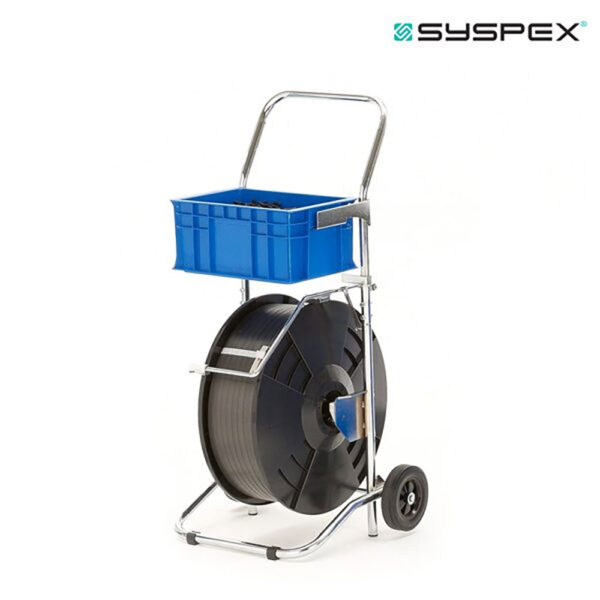
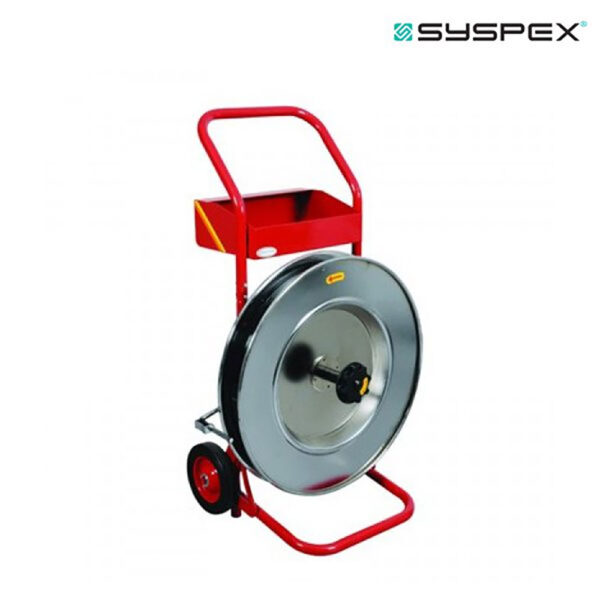
- One-source model: machine PP or PET consumables validated together, reducing seal failures and compatibility risk
Why Choose SYSPEX for Strapping Machines and End-to-End Support
Solution Recommendation
Load profile, shift volume, floor space, and strap type reviewed before machine type and model are selected.
Setup Guidance
Machine configured to packing line conditions before operator handover.
Operator Onboarding
Training on machine operation, daily adjustments, consumable loading, and basic troubleshooting.
Ongoing Service Support
Post-installation access to spare parts and technical support through Syspex’s service network.
Syspex serves industries including logistics, food and beverage, and e-commerce across Southeast Asia, with more than 30 years of experience in packaging and warehousing solutions and 11 regional offices.
Contact Syspex to submit your load profile and throughput requirements for a tailored strapping machine recommendation.
Frequently Asked Questions
A strapping machine secures cartons, bundles, or pallet loads using PP or PET straps so goods stay stable during storage and transport. It improves consistency versus manual strapping and helps reduce rework from shifted loads.
A semi automatic strapping machine needs an operator to position and feed the strap, while an automatic strapping machine completes the strap cycle with minimal manual input. Semi automatic models suit lower-volume packing; automatic models suit higher-throughput lines.
PP strapping is commonly used for lighter carton and package strapping, while PET strapping is preferred for heavier or more demanding pallet loads. The right choice depends on load weight, transport conditions, and required tension retention.
Warehouses need a pallet strapping machine to keep pallet loads stable during storage, handling, and transport. It improves strap consistency, reduces manual strapping time, and lowers the risk of load shifting or product damage. It is especially useful for heavy, high-stack, or high-throughput operations.
Start by matching machine type to your daily packing volume, load profile, and workflow. Semi automatic models usually fit flexible, lower-volume stations, while automatic systems are better when you need consistent output at higher throughput. If your loads are palletized or heavy, a pallet strapping setup is often more suitable. Before purchasing, confirm PP/PET compatibility, available floor space, and operator handover needs. For line-level planning, Syspex’s automation and engineering solutions can help map equipment to throughput targets.
The right time to upgrade is when manual handling starts limiting throughput or creating quality variation between shifts. Common signs include queues at packing stations, inconsistent strap tension, and rising labor pressure during peak demand. Automatic strapping machines are typically a better fit when output needs to stay stable across longer runs. To avoid overbuying or underbuying, align the upgrade with your production goals through Syspex's packaging and warehousing consultation.
Strapping machines reduce ownership cost when they are selected and deployed correctly for the operation. Better cycle consistency can lower rework, and correct strap setup helps avoid avoidable consumable loss over time. Most long-term gains come from process fit, preventive care, and service responsiveness rather than hardware alone.
Strapping machine cost depends on automation level, machine type, and support scope. Semi automatic units usually have lower entry cost, while automatic and pallet strapping equipment require higher investment but can reduce labor dependence over time.
Evaluate providers based on execution capability, not only product specs. A strong supplier should be able to assess your process, recommend fit-for-purpose equipment, provide reliable consumables supply, and support commissioning and operator onboarding. It is also important to confirm technical response coverage, spare-parts availability, and issue-escalation flow before committing. You can review Syspex's support scope via our spare parts and technical support page.
Yes, and many operations start with standalone stations before moving into integrated packing lines as volume grows. A proper integration review should cover product flow, infeed and outfeed spacing, cycle timing, and operator access during changeovers. Planning these details early helps prevent bottlenecks later. If you are preparing a phased rollout, you can contact Syspex for a site assessment to validate layout and implementation requirements.